The Many Ways To Secure A Raw Edge

Nestled in the central suburbs of Brisbane, Janome Sewing Centre Everton Park was established in 1980, and continues to operate with a focus on helping customers achieve their sewing dreams. The family has been in the sewing business for more than 60 years and love seeing what people create with their machines. Read more about us here.
With our Product range you will find Professional Grade Quality and Modern Functionality at Great Value. Don't forget to take a look at our additional Free Bonus Gift offers.
 |
 |
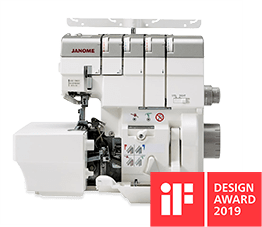
Overlocking is an essential part of professional sewing, and with these domestic machines you can sew long lasting, neat professional finishes to your garments and accessories today.
|
|
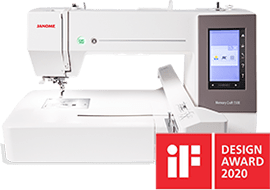
Nothing adds a more personal touch to any work than fine embroidery. From monograms and logos to custom designs and elaborate patterns, embroidery can definitely make your work stand out.
|
Take your sewing to the next level and get the sewing machine accessories to help you with your next big sewing project.
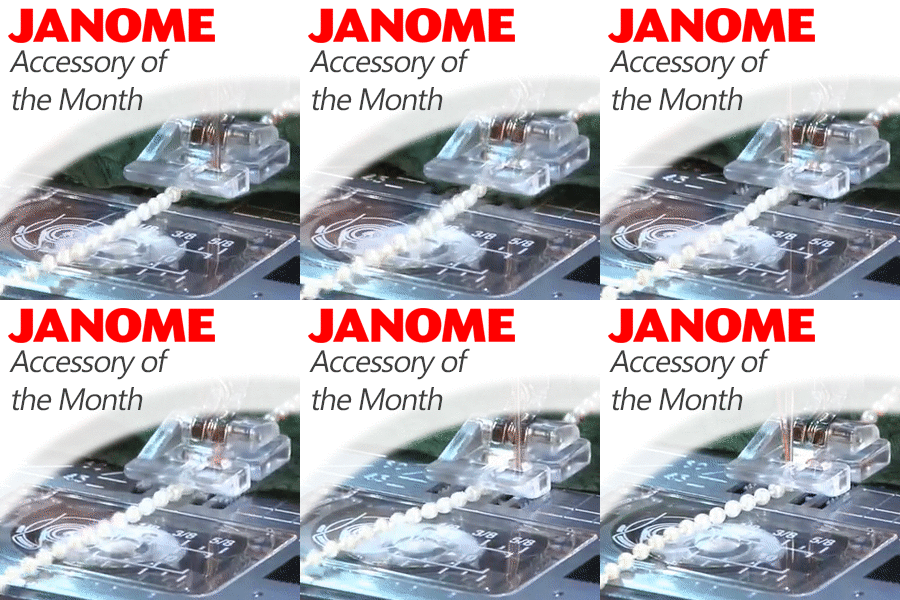
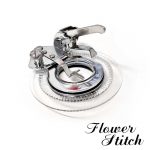
Sewing on strung beads and pearls has always been a tedious task! But the beading foot add pleasures to embellishment. Popular for bridal wear, evening wear, smart/casual or crafts.
If you're searching for a part or product and just can't find it, get in touch! One of our helpful team members is available to assist you. We'll help you find the right items to get you up and sewing soon.
Send your inquiry to us
via email.
Or call us on 07 3355 5522
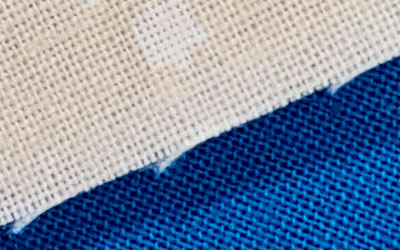
Fabric is created through various methods of weaving or knitting and come to us as large lengths of material in rolls or Bolts. When we cut this fabric, the edges are Raw, and individual threads of the fabric are free to move about. The more these threads move freely, the more loose the edges become. A Raw Edge is the Unsecured edge of Cut Fabric.
Most Sewing is done on Garments or items that endure a lot of wear-and-tear, and laundered frequently. In order to prevent the fabric from fraying and coming apart at the seams, raw edges are secured for longer lasting and cleaner looking seams.
If Edges are left unsecured, then your sewing can come apart at the seams. It may not happen straight away, but for most projects the more movement and handling it goes through then the more seams will wear away sooner or later.
There are many different techniques and options to secure this Raw Edge, based on the type of fabric and the equipment you have available.
If you’re just starting out and have a simple make of sewing machine, you can still finish your edges a number of ways.
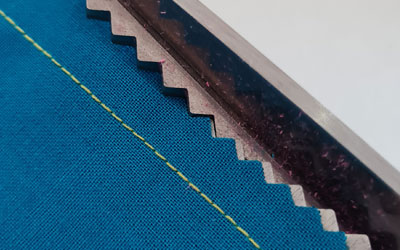
For Accessories and items that won’t experience use as much as clothing, a set of Pinking Shears will cut the fabric in a zig-zag pattern. This breaks apart the strands of the woven fabric, preventing long pieces of the weave from unraveling.
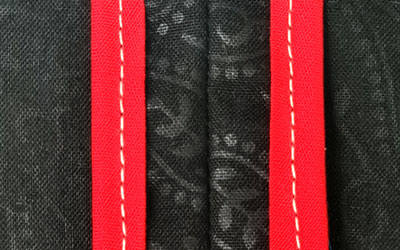
Bias Binding is a great way to cover and embellish the edges of your garment. These long strips of material are cut along the Bias [diagonal] of woven material, giving it more flexibility around sleeves and necklines. While mostly for areas of hemming, you can also try a Hong Kong Finish.
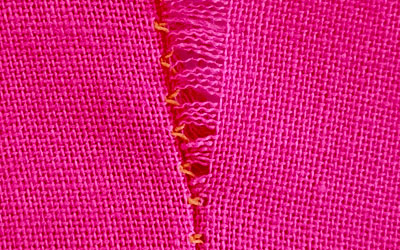
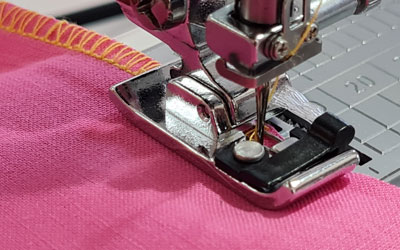
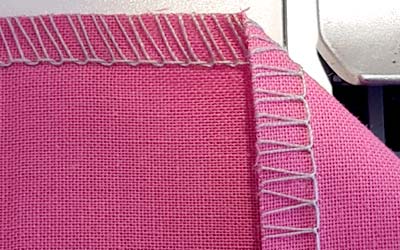
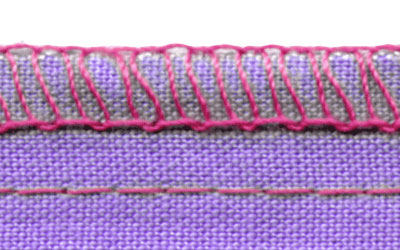
For an edge similar to an Overlock Stitch, you can sew an Overcast stitch over the edge of your material. Many machines have a dedicated stitch and feet available to keep the edge nice and flat as you sew, or you can sew a zigzag stitch close the edge and carefully cut away the excess material.
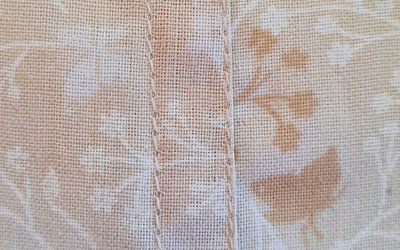
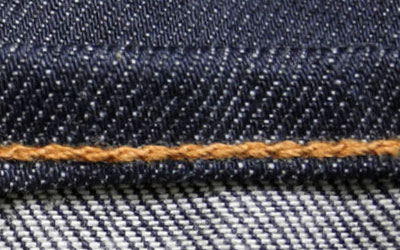
For an extra strong concealed edge you can try a Flat Felled Seam. This is done by sewing the material together with the raw edge outwards, and sewing the edge down in a way that hides the cut edge within the fold. Can be done with your standard sewing foot and looks so neat and professional!
While it may seam obvious, the Modern Overlocker can achieve several other finishes with only a little preparation. Most machines come set up as a 4 thread Overlock stitch, and by removing a needle become a 3 Thread Overlock stitch easily. Here are some alternatives you might like to try.
On Sheer, light fabrics or on the edge of frills and veils, a Rolled Hem can be sewn, tucking the very edge of the material beneath the stitches. With Woolly Nylon thread, you can make this a much softer edge perfect for satins and other dress fabrics.
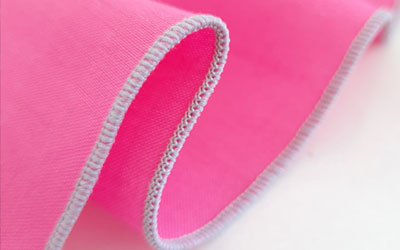
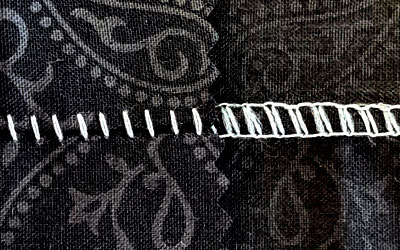
For very light materials you can also use a 2 Thread Overlock Stitch. Not every machine has this as an option but it is worth experimenting with. It involves disabling the upper looper and letting the lower looper travel the full distance around the fabric.
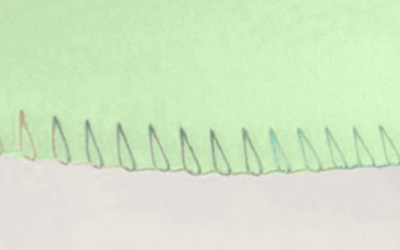
If you can use a 2 thread and want to imitate a nice Blanket Stitch without having to hand-sew, you just need some perforated or water-soluble stabilizer and looser looper tension. By Sewing a wide 2 thread overlock over the stabilizer, you can then pull on it and turn the stitch to look like a blanket stitch.
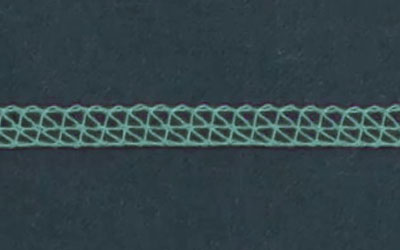
For stretch material and sportswear you can use Flat-Locking to produce a similar look to a CoverStitch, and it can be very decorative. By loosening the needle tension and pulling the material open, you can form a flat loop on one side and a clean ladder-stitch on the other.
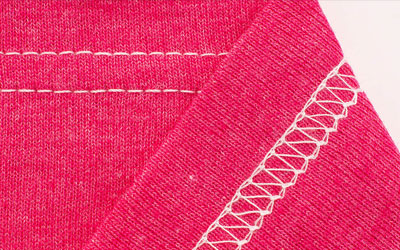
A Coverstitch Machine can create a stitch that uses a single looper thread and either one, two or three needles for a stitch that looks straight on the front, but looped on the back for a stronger, more flexible stitch – perfect for stretch knit and sportswear! Some machines are built exclusively for what we call Coverhemming, but there are also combined overlockers that can do everything from the average overlock stitch, to coverhemming and a very professional looking 5 thread safety stitch.
The Average Coverstitch machine will sew a variety of Coverstitch widths and is made for knit fabrics. A Coverhem is where the edge of the cut fabric of a sleeve or hem is folding under the sewn, lining up with the leftmost needle. This conceals the edge neatly.
You can also use a Single needle, and this creates a Chain Stitch that will even work great as a straight stitch over rolled 1/2″ hems, inseams, and anywhere that an ordinary straight stitch might snap thread on stretch material.
Some Coverstitch machines also loop above the fabric for a ‘double’ or ‘Top Coverstitch‘. Not only is it strong but it looks great and can be very decorative when using specialty or verigates threads.
A Combination Overlocker and Coverhem machine can often perform a 5-thread Safety Stitch. This is when a standard 3 thread overlock is made as well as a single needle chain stitch, for the ultimate professional seam finish.
If you’re looking to add a machine to your sewing room, take a moment to think about the sewing you intend on doing and what finishes you desire. This will allow you to narrow down specific machines that perform those functions you wish to grow into.
Are you a quilter? Most quilts don’t require overlocking but there are quilting machine that can use handy Quilt Binder Attachments to make binding a breeze. If you’re a fashionista, then an Overlocker is a must, and a Coverstitch machine is an excellent choice for sewing stretch knit material professionally.
Don’t forget, our team specializes in Janome machines and can help you find what you need to sew your dream projects today. Give us a call on 07 3355 5522 for any advise on machine comparisons or troubleshooting.