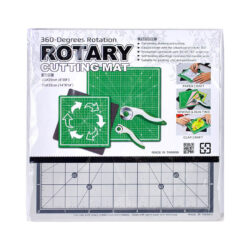



When inspiration or a moment of creativity hits, you might not have a cutting mat that can help you cut out the pattern pieces you have envisioned in your mind.
Traditional cutting mats feature a special composition of rubber and plastic that has been designed to offer stability to the cutting surface while reducing the impact on the rotary cutting blade; thereby extending the cutting lifespan of the blade itself.
However, as cutting mats are a specialized tool, they generally also come with a specialized price tag. This is the reason why many sewists will look for good substitutes or alternatives for cutting mats.
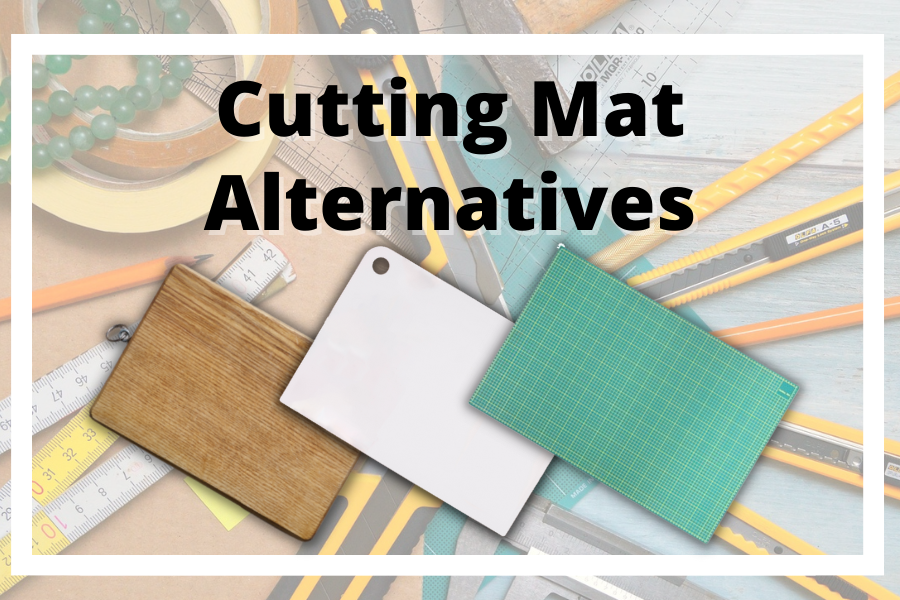
The good news is that there are several alternatives that can be used in place of a traditional cutting mat that can work well in a pinch. Going for any of the following alternatives, sorted by the effect on the blade, might just be the perfect answer to help preserve their budget.
Plastic Cutting Boards
First on the list is the hard plastic cutting board. Not only can this board cut your veggies, it can also work with your cutter to cut your pieces (after first washing it). However, as these cutting boards are hard, they can cause the fine edge of the blade to get dulled or flattened which will reduce the lifespan of the blade.
Wooden Cutting Boards
A wooden cutting board is much better than its plastic alternative. Sturdy to use, these wooden cutting mats are general non slip and perfectly sized to fit on the sewing table’s side and provide enough room for cutting out quilt pieces. Best of all, wooden cutting boards can even be cheaper than cutting mats themselves, especially if you buy them in the right locations.
If you looking to use a wooden alternative to craft cutting mat, try to use softer woods (like Bamboo) as they are the least damaging to the blade.
Thick Neoprene Fabric
Thick neoprene fabric is often used with hard surfaces such as acrylic or plastic sheeting. A neoprene fabric’s reversed side can make an excellent cutting surface. This material is soft but still thick enough that can secure the blade as this goes through the intended material.
One important thing to remember when using this cutting mat alternative is that depending on how thick the neoprene fabric is or the surface included under the neoprene, your blade might cut through the makeshift cutting mat and end up damaging the table underneath it.
Cardboard
Cardboard is easily the preferred alternative or substitute for cutting mat mainly because it is easily and readily available. Corrugated cardboard can allow the sewist to create a cutting surface right away once the need arises. In general, this is a makeshift cutting mat that has the least harsh effect on a rotary cutting blade.
The Bottom Line
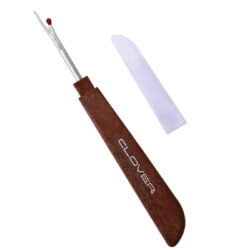
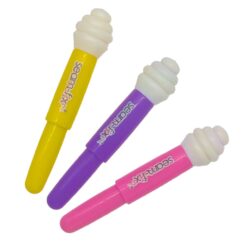
Seam Fix Mini – Ultra Sharp Small Seam Ripper
The Seam Fix Mini combines a seam ripper and a thread remover. With an ultra sharp blade (featuring a safety ball), this seam ripper (otherwise known as a “Quick Unpicker”) can cut the threads while the specially developed plastic tip allows you to effortlessly remove the excess threads without leaving any marks or clinging to the fabric.
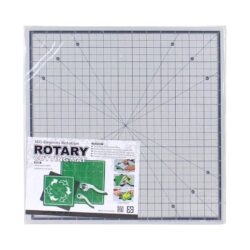
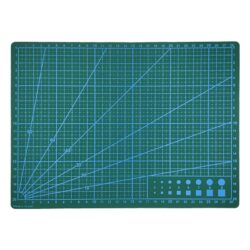
Double Sided Cutting Mat – A4 Size
This A4 Double-Sided Cutting Mat is constructed from durable PVC materials, turning any surface it is laid on into a cutting surface. Perfect for arts, crafts, and quilting, this self-healing cutting mat features metric (cm) marking, making it perfect for many applications.