





10 Tips That All Dressmakers Wish They Were Told When They Started Sewing
10 Tips That All Dressmakers Wish They Were Told When They Started Sewing
The art of sewing is something exciting that can leave you working on it for hours without even realizing how much time has passed.
But, ask any dressmaker and they will surely tell you that getting started with sewing can be a bumpy road. In fact, many of them wished that they knew some sewing tips and tricks when they were just starting.
Whether this is your first try at using a Janome sewing machine or you have been at it for several years now, the following are some of the best sewing tips, tricks and sewing hacks that will save you time and frustration.
1. Failure is Fine (and it's not a bad thing!)
Yes, failing is perfectly fine and many mistakes are not even considered failures in the first place. Always remember that when learning a skill, that those mistakes are learning experiences, not failures.
The next time you experience a sewing mistake, just take note of what happened and more importantly, what you learned. Sewing is a journey and it is our mindset to mindset to can determine how enjoyable the journey can be.
2. Master the Art of Reading Patterns Properly
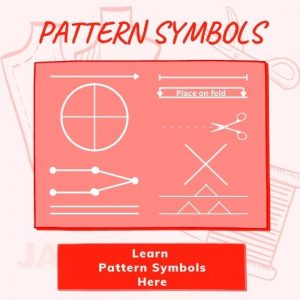
How much do you know about the purpose of those arrows, circles, crosses, triangles, and other markings on patterns?
Before you start a pattern, particularly if you are a complete beginner, don’t forget to read the whole pattern. Watch out for the markings and research about those that are unfamiliar to you.
Think of it as something similar to learning another language. The only difference is that you should learn how to understand pattern symbols as fast as possible.
3. Start with Your Current Skills
4. Press for Success
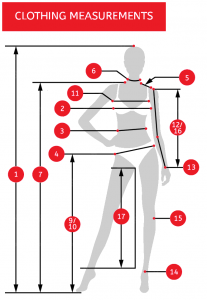
5. Know Your Body’s Measurements
When taking your measurements, it is also a good time to know more about ease. Ease determines how the garment will fit on your body. Garments that have less ease tend to be more fitted while garments with more ease are flowy and loose.
6. (Sewing) Rules are Meant to be Broken
When you are just getting started, it might feel as if you are learning the right way. However, after some time, you will discover that everyone got a different way of mastering new techniques. Don’t be afraid to research to find what works best for you. Remember to trust yourself and enjoy the journey.
7. Decide If You Like Muslins or Not
Making muslin is not always recommended, but it can serve a purpose. Muslining is probably not suitable for you if making muslin hinders you from sewing the actual thing.
There are two primary advantages for making muslin so far.
- It allows you to check how a garment fits and make adjustments.
- It lets you practice all the skills required for making the garment. You can simply sew muslin quickly to determine the fit if you don’t have to practice sewing pockets, zips, finishing seams, and other details.
8. Avoid Comparisons
If you are the type who reads blogs and searches for hashtags before you sew a garment, it is easy to feel intimated. While these blogs and guides are a great resource, it is important to remember that sewing is all about your creative process from beginning to end. You are the one who designs the sewing experience, similar to how you design those clothes you will make and wear.
Avoid comparing yourself to others. Keep in mind that you are sewing for yourself. Choose your rhythm and pace and have fun.
9. Take Care of Your Tools and Machines
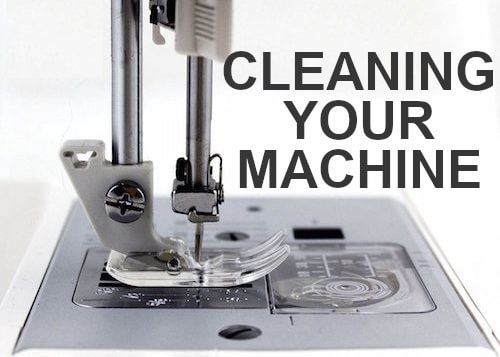
It is never enough that you just invest in good quality tools because when it comes to sewing tricks and tips, it is also equally important to take care of your Janome sewing machine and everything else in the sewing kit. Never forget oiling and cleaning your sewing machine and overlocker regularly.
10. It's Only Fabric
Finally, if your project turns out to be a failure and there is no way that you can wear the garment, remember that your only actual loss is the time you spent making it and some yards of fabric. What matters here more is that you gain even more. You will now know what you should avoid doing next time and at the same time, you have already earned more confidence, although you might not yet be aware of it.
As much as you love and adore some materials, there will always be more in the future. You will always get more patterns and more fabric. In just a few years, you will appreciate all of your wonderful creations instead of pondering about the sewing failures you made.